India’s coldest places to visit in summer include Leh-Ladakh, Spiti Valley, Auli, Darjeeling, Chopta, Dras, Munnar, Tawang, Kasol, and Coorg — all offering temperatures between 5°C and 20°C even in peak May–July heat. While most of India bakes under 40°C+ temperatures, these destinations stay naturally cool thanks to their high altitude or mountain geography. Whether you’re planning a solo trip, a family holiday, or a honeymoon escape, these summer-cool destinations give you the perfect break from the heat without leaving India.
Quick Facts — India’s Coldest Summer Destinations
- Coldest summer destination: Dras, Ladakh (as low as 5°C in June)
- Best months to visit: May, June, July, August
- Ideal for: Families, couples, solo travellers, adventure seekers
- Highest altitude destination: Spiti Valley (3,800–4,500 m above sea level)
- Most accessible from Mumbai: Munnar or Coorg (direct flights/trains available)
- Visa required: No — all destinations are within India
Why Visit Cold Places in India During Summer?
Summer in India, from April to July, pushes temperatures to brutal extremes across plains and coastal cities. Mumbai, Delhi, and Chennai regularly cross 38–42°C during this period. However, India’s high-altitude destinations remain refreshingly cool — some even require a light jacket in June.
Visiting cold places in India during summer has several practical advantages. Accommodation rates are often lower than peak winter season. Roads to most hill stations are fully open. Additionally, summer brings longer daylight hours, blooming alpine meadows, and clearer skies — ideal for photography, trekking, and sightseeing.
Therefore, if you’re planning a summer holiday, heading north or to the high-altitude Western Ghats is your smartest move.
Pro Tip: Book accommodation and travel at least 4–6 weeks in advance for popular summer hill stations like Leh, Manali, and Darjeeling. These fill up fast between May and July.
Top 10 Coldest Places in India to Visit This Summer
1. Leh-Ladakh, Jammu & Kashmir — The Rooftop of India
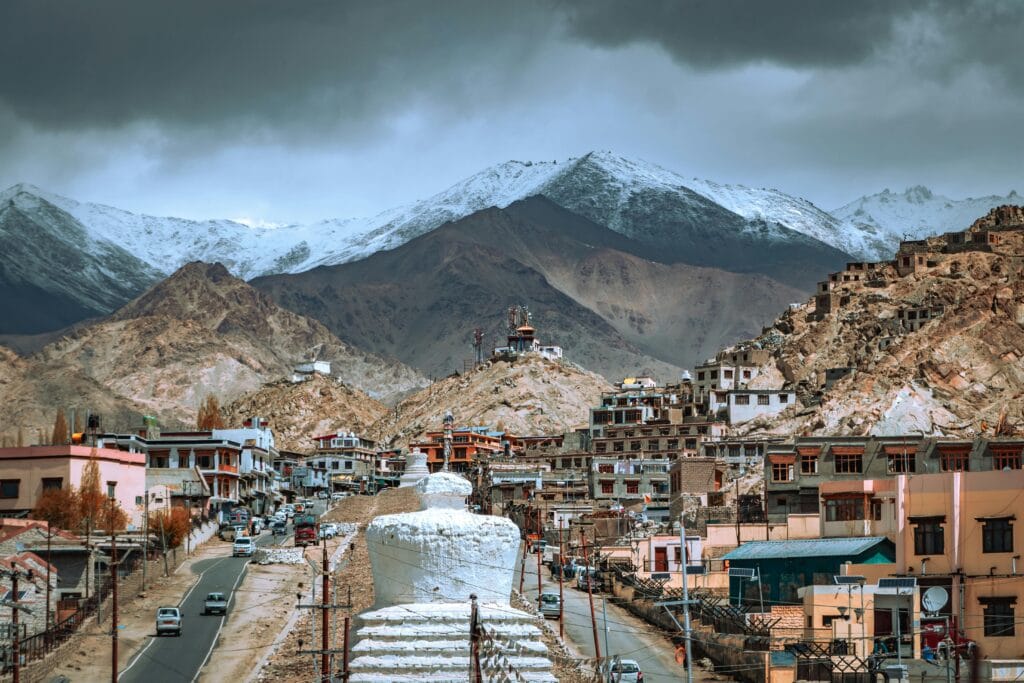
Leh-Ladakh is the coldest and most dramatic summer destination in India. Located at 3,524 metres above sea level, Leh sees average summer temperatures between 10°C and 20°C. The nights drop further to 5–8°C even in July.
This is the destination for adventure travellers. Pangong Lake, Nubra Valley, the Khardung La Pass, and countless monasteries make Ladakh unlike anywhere else in the world. The region is accessible by road from Manali (the Manali–Leh Highway opens in May) or by direct flights from Delhi and Mumbai.
Best for: Adventure, photography, road trips to high altitude passes, Buddhist culture
Leh-Ladakh temperature in Summer: 10°C–20°C (day) | 5°C–8°C (night)
Nearest airport: Kushok Bakula Rimpochee Airport, Leh
2. Spiti Valley, Himachal Pradesh — India’s Cold Desert
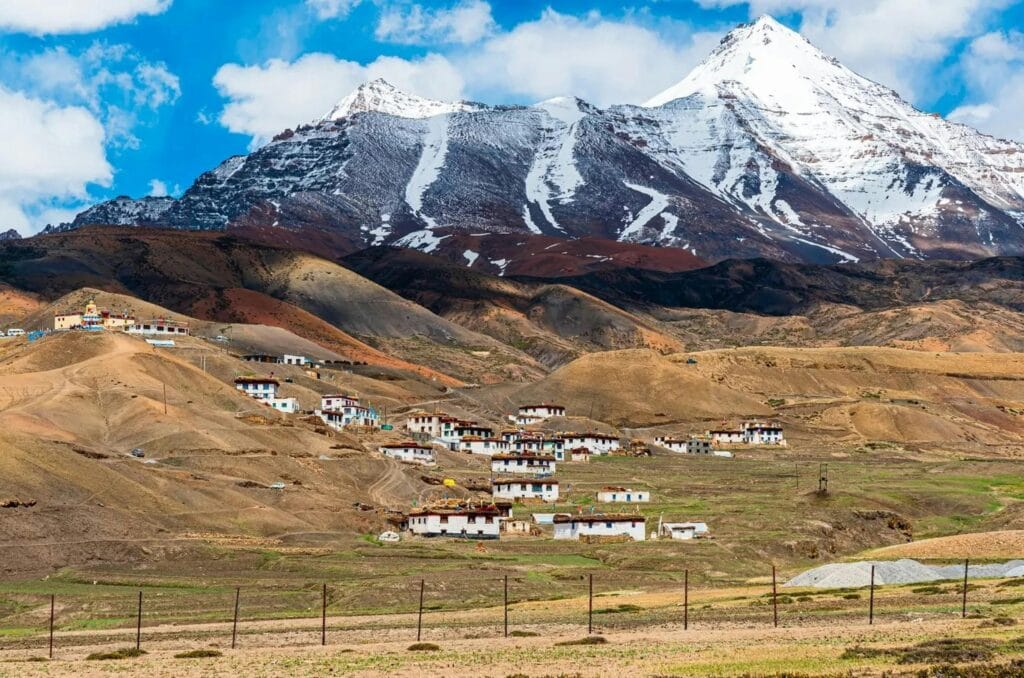
Spiti Valley sits at an average elevation of 3,800 metres and receives almost no rainfall in summer. As a result, temperatures stay between 8°C and 18°C, with cold winds making it feel colder. The landscape is barren, dramatic, and breathtaking.
Key highlights include Key Monastery, Chandratal Lake, Pin Valley National Park, and the villages of Kaza and Kibber. Spiti is ideal for travellers who want solitude, raw Himalayan scenery, and a true off-grid experience. However, it requires careful acclimatisation, so plan an extra day in Manali before driving through.
Best for: Offbeat travel, monasteries, stargazing,Spiti Valley road trips
Summer temperature: 8°C–18°C
Access: Road via Shimla or Manali (Manali route opens May)
3. Dras, Ladakh — The Second Coldest Inhabited Place on Earth
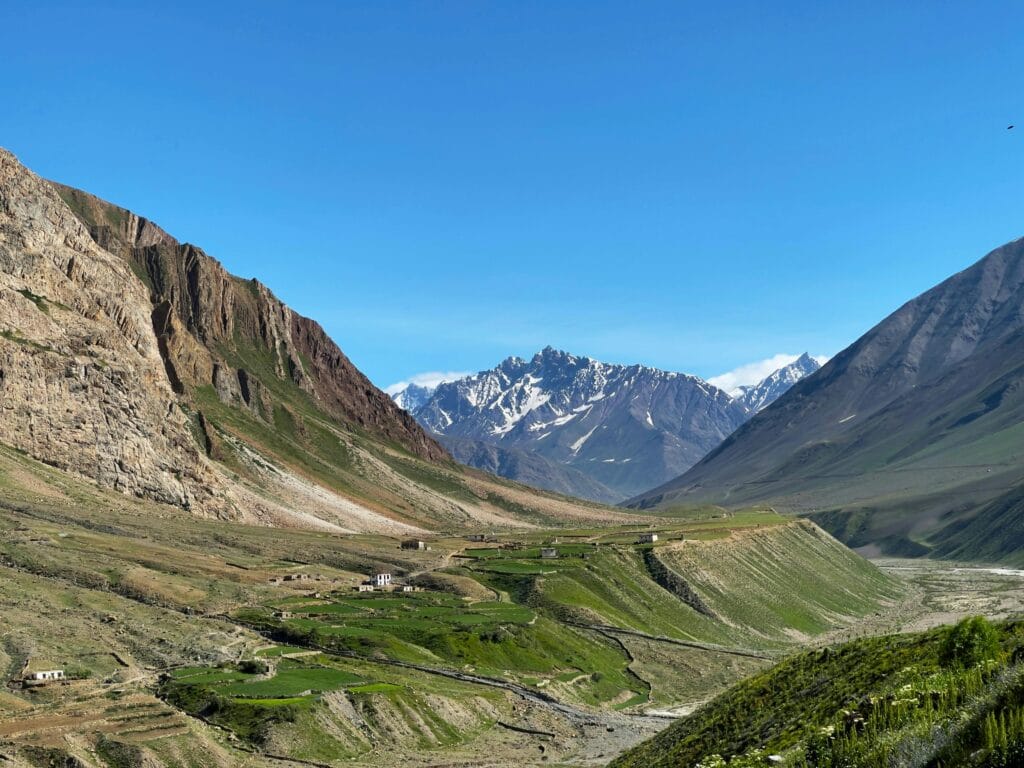
Dras is technically the coldest inhabited place in India and the second coldest in the world. In summer, it cools to 5°C–15°C. Located in the Kargil district of Ladakh, it is often a pass-through on the Srinagar–Leh highway — but it deserves a stop of its own.
The Dras War Memorial, dedicated to the 1999 Kargil War, is a powerful and moving visit. The surrounding mountains and meadows are extraordinarily scenic in summer, carpeted with wildflowers during July.
Best for: History, scenic drives, Kargil War Memorial visit
Summer temperature: 5°C–15°C
Access: On the Srinagar–Leh highway, about 60 km from Kargil
4. Auli, Uttarakhand — Skiing in Summer? Almost.
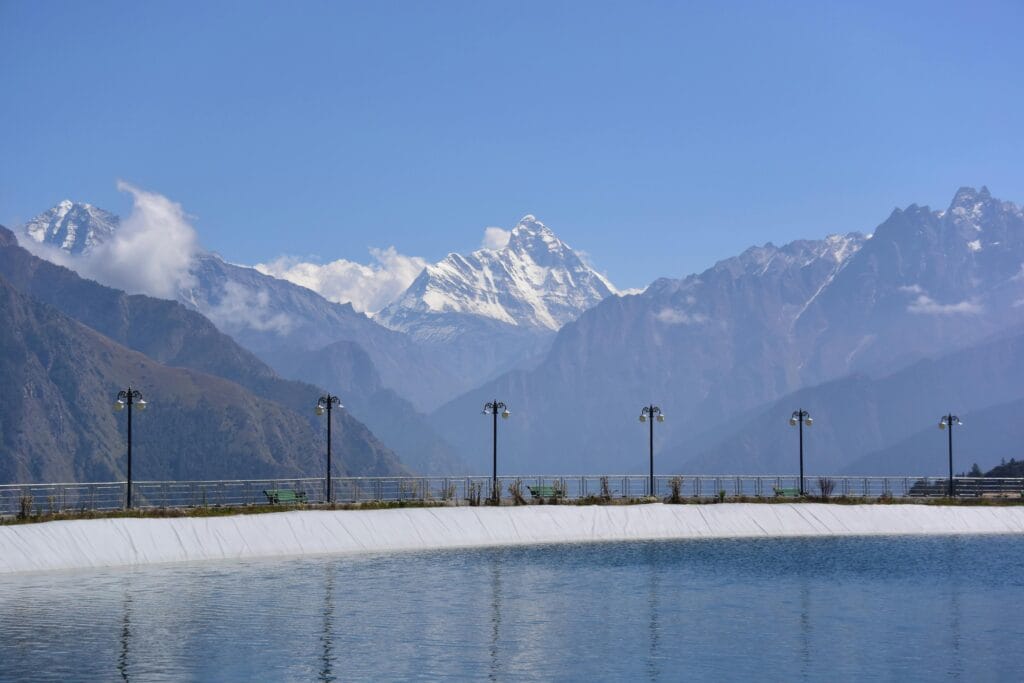
Auli is famous as India’s top skiing destination in winter, but summer transforms it into a lush green meadow with panoramic Himalayan views. At 2,500–3,000 metres, summer temperatures in Auli stay between 10°C and 20°C.
The cable car ride from Joshimath to Auli is one of Asia’s longest and offers jaw-dropping views of Nanda Devi, India’s second highest peak. Additionally, Auli is the base camp for the Kuari Pass trek, one of the most rewarding Himalayan trekking routes for beginners.
Best for: Trekking, cable car rides, meadow walks, Nanda Devi views
Summer temperature: 10°C–20°C
Nearest railway: Haridwar (273 km)
5. Darjeeling, West Bengal — The Queen of Hill Stations
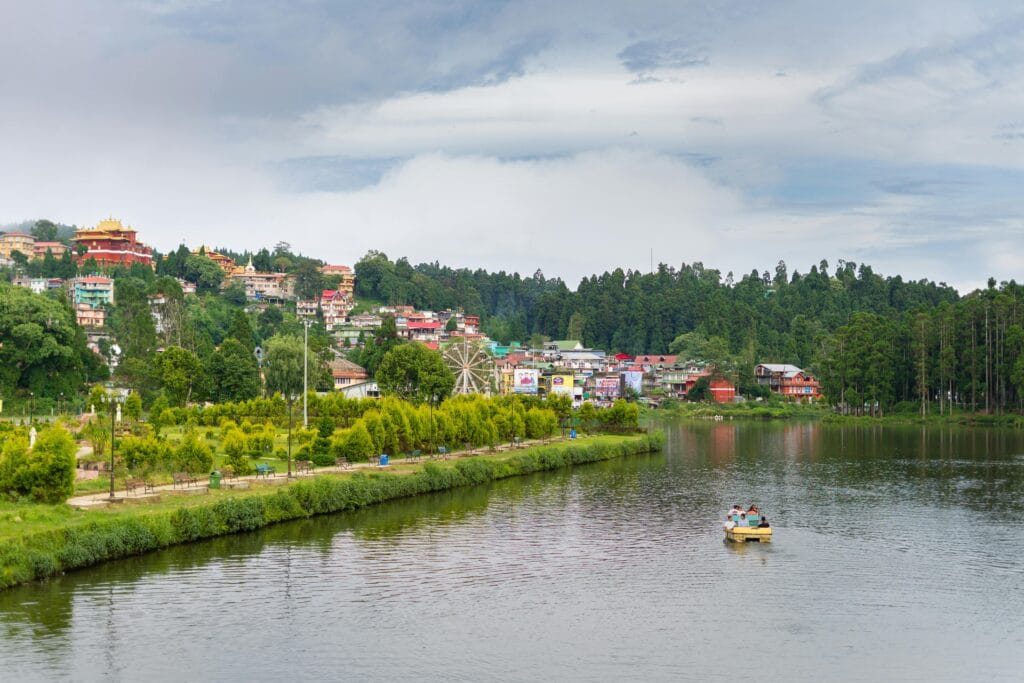
Darjeeling is one of India’s most iconic hill stations and stays pleasantly cool at 15°C–22°C even in peak summer. At 2,042 metres, the town offers sweeping views of Kangchenjunga, the world’s third highest peak, on clear mornings.
The UNESCO-listed Darjeeling Himalayan Railway (Toy Train), Tiger Hill sunrise, tea garden walks, and the vibrant Bengali-Nepali culture make Darjeeling a complete destination. Furthermore, it is extremely well connected — Bagdogra Airport is just 90 km away.
Best for: Families, couples, tea lovers, Toy Train, sunrise at Tiger Hill
Summer temperature: 15°C–22°C
Nearest airport: Bagdogra Airport
Pro Tip: Visit Tiger Hill at 4 AM on a clear summer morning for a sunrise view over Kangchenjunga that you’ll remember for life. Book a shared taxi from Darjeeling town the previous evening.
6. Tawang, Arunachal Pradesh — India’s Hidden Himalayan Gem
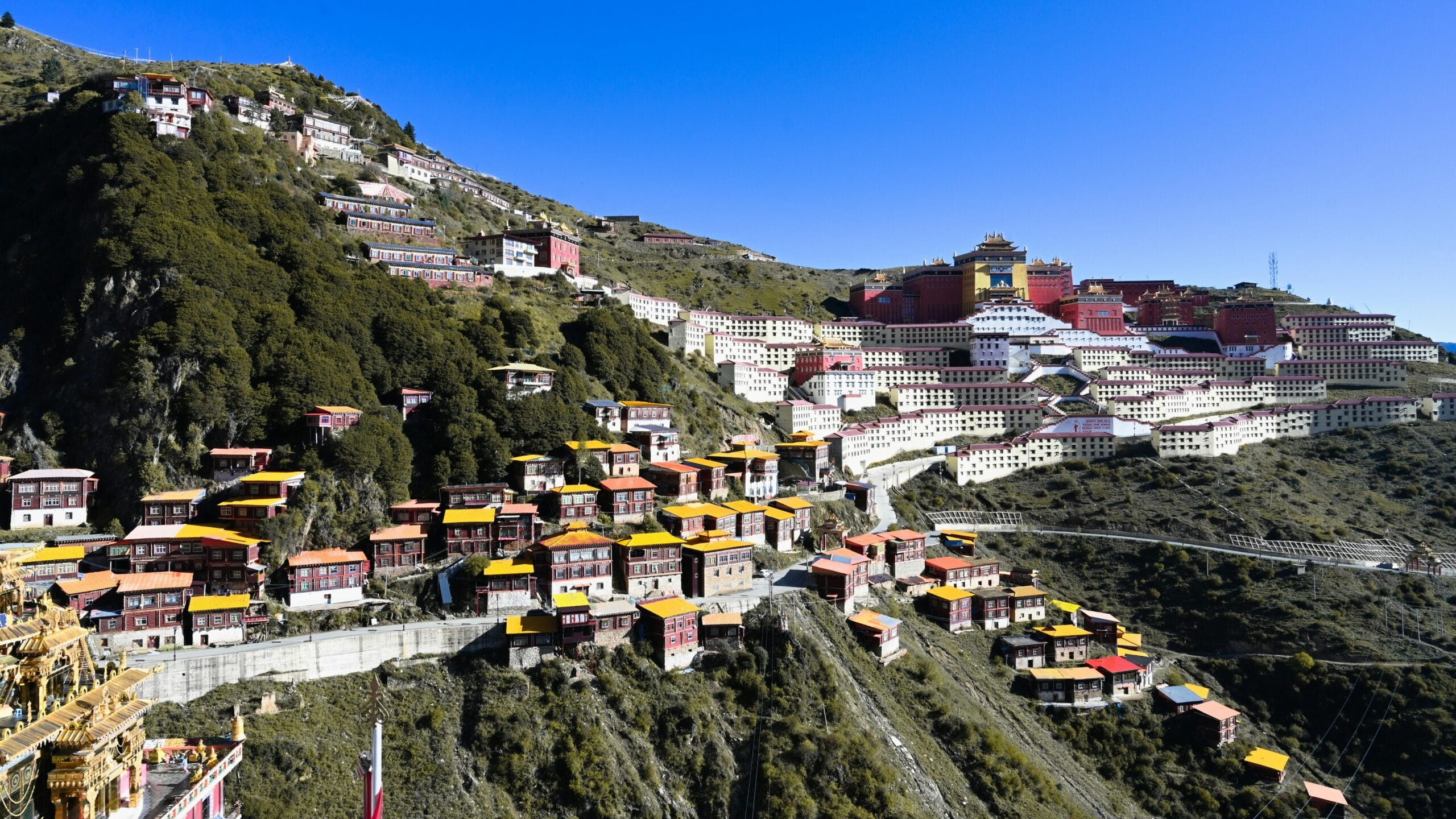
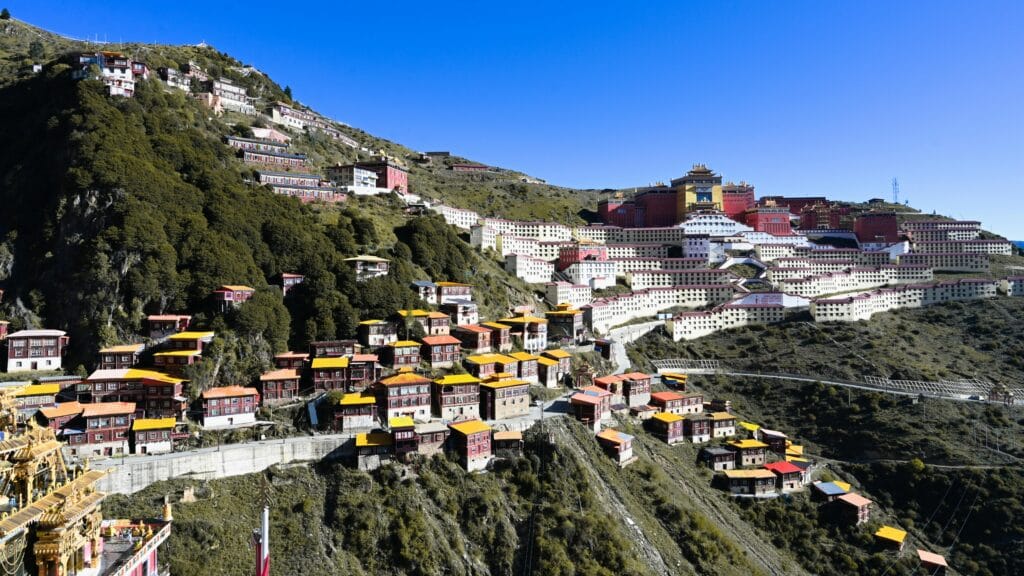
Tawang sits at 3,048 metres in the far northeast and remains one of India’s least crowded summer hill stations. Temperatures stay between 12°C and 18°C from May to July. The Tawang Monastery — the largest in India and second largest in Asia — is the centrepiece of this stunning destination.
Moreover, the drive from Guwahati through Bhalukpong and Bomdila to Tawang is one of the most scenic in the country, passing through lush forests, waterfalls, and hairpin bends. Indian citizens need an Inner Line Permit (ILP) to visit Arunachal Pradesh, which is easy to obtain online.
Best for: Culture, monasteries, offbeat travel, northeast India exploration
Summer temperature: 12°C–18°C
Permit required: Inner Line Permit (ILP) for Indian citizens
7. Kasol, Himachal Pradesh — The Mini Israel of India
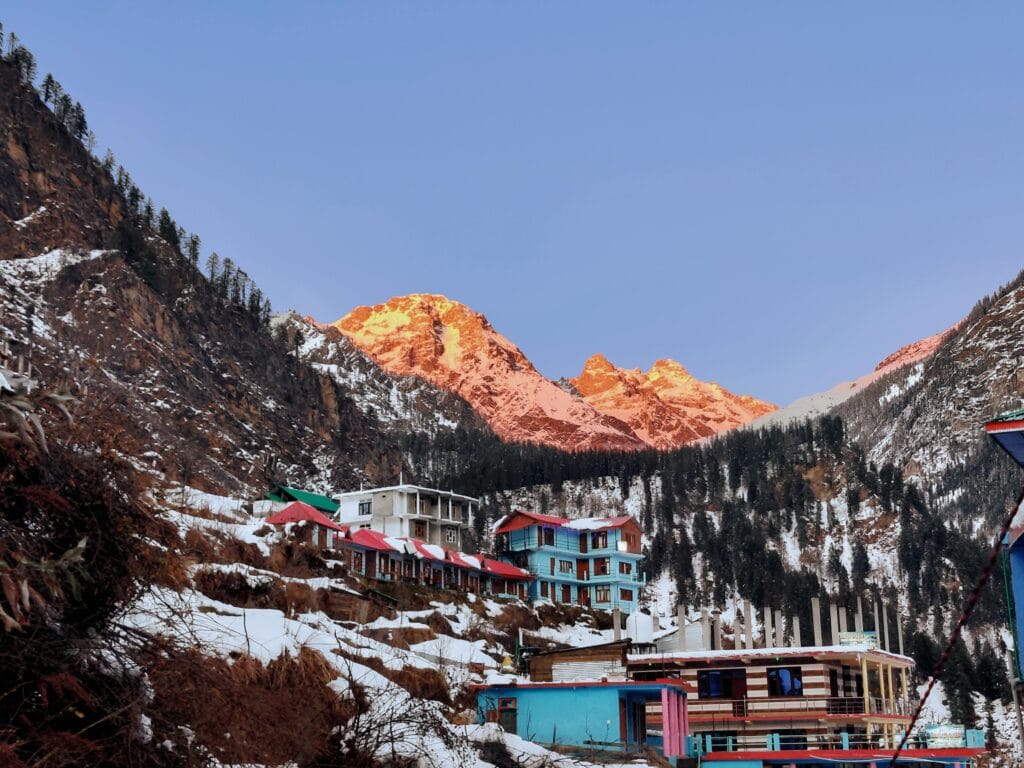
Kasol is a small riverside village in the Parvati Valley at 1,580 metres, popular with backpackers, trekkers, and those who love pine forest walks. In summer, temperatures range from 14°C to 22°C — noticeably cooler than the plains.
It serves as the base for several popular treks, including Kheerganga (one of India’s most rewarding hot spring treks in Himachal Pradesh), Tosh, and Malana. The cafe culture, Israeli food, and river-side camping make Kasol a favourite among young travellers.
Best for: Backpacking, trekking, riverside camping, cafe culture
Summer temperature: 14°C–22°C
Nearest town: Bhuntar (30 km)
8. Chopta, Uttarakhand — India’s Mini Switzerland
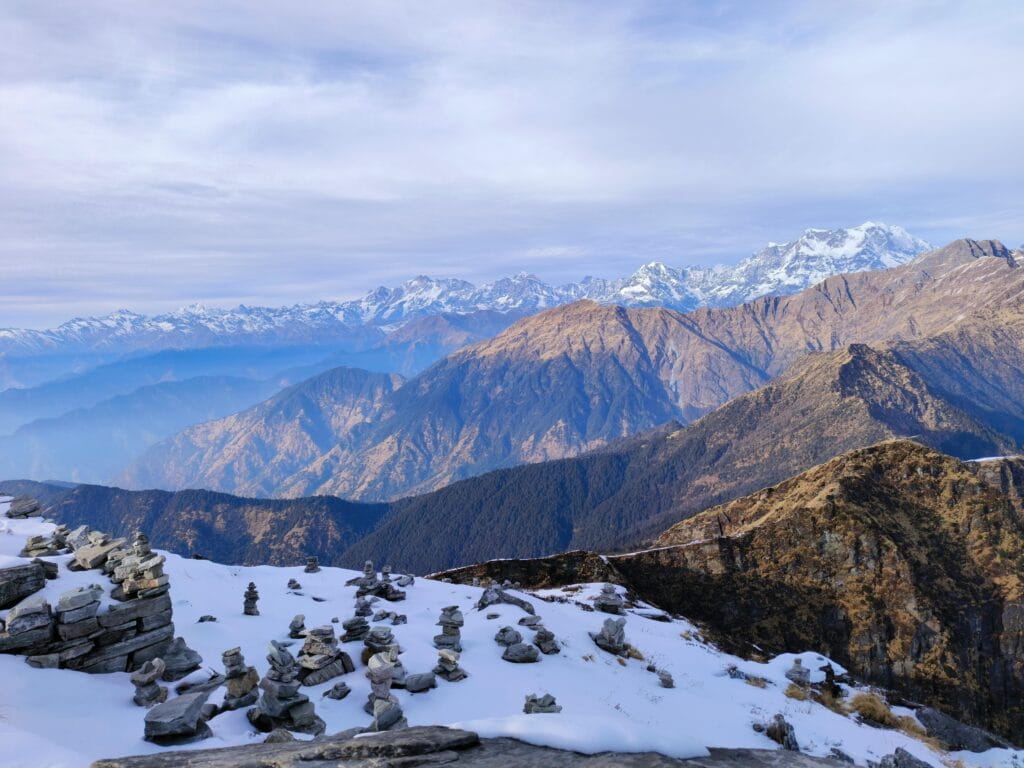
Chopta is a small, largely undiscovered meadow at 2,680 metres in Rudraprayag district, often called India’s Mini Switzerland. Summer temperatures here hover between 10°C and 18°C.
The trek from Chopta to Tungnath (the world’s highest Shiva temple) and further to Chandrashila peak is one of Uttarakhand’s most rewarding day treks. In summer, the entire valley turns a vibrant green, and the Bugyals (high-altitude meadows) are in full bloom.
Best for: Trekking, meadow camping, Tungnath temple, offbeat nature
Summer temperature: 10°C–18°C
Access: 450 km from Delhi via Rishikesh and Ukhimath
9. Munnar, Kerala — Misty Tea Gardens and Rolling Hills
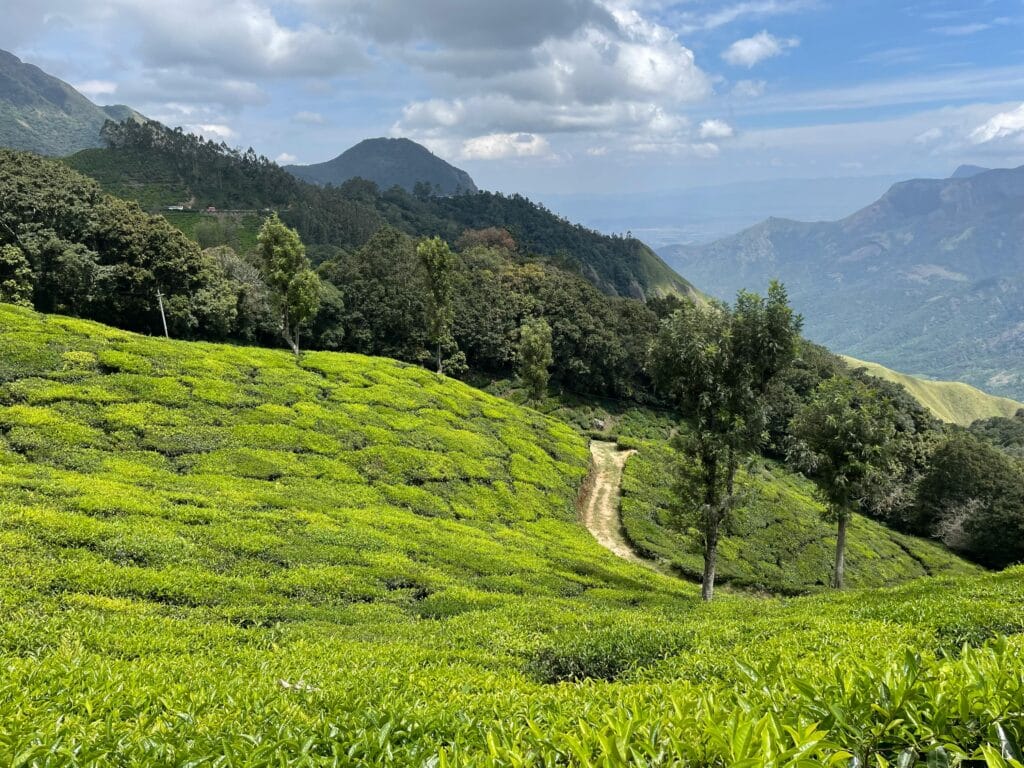
Munnar is South India’s finest hill station, sitting at 1,600 metres in Kerala’s Western Ghats. Summer temperatures stay between 15°C and 25°C — a sharp contrast to coastal Kerala which crosses 35°C in the same months.
The endless tea estates, Eravikulam National Park (home to the endangered Nilgiri Tahr), Mattupetty Dam, and Top Station viewpoint make Munnar a complete destination for nature lovers. Additionally, Munnar is highly accessible — Cochin International Airport is just 130 km away.
Best for: Nature, tea estate walks, wildlife, couples, families
Summer temperature: 15°C–25°C
Nearest airport: Cochin International Airport (130 km)
10. Coorg (Kodagu), Karnataka — The Scotland of India
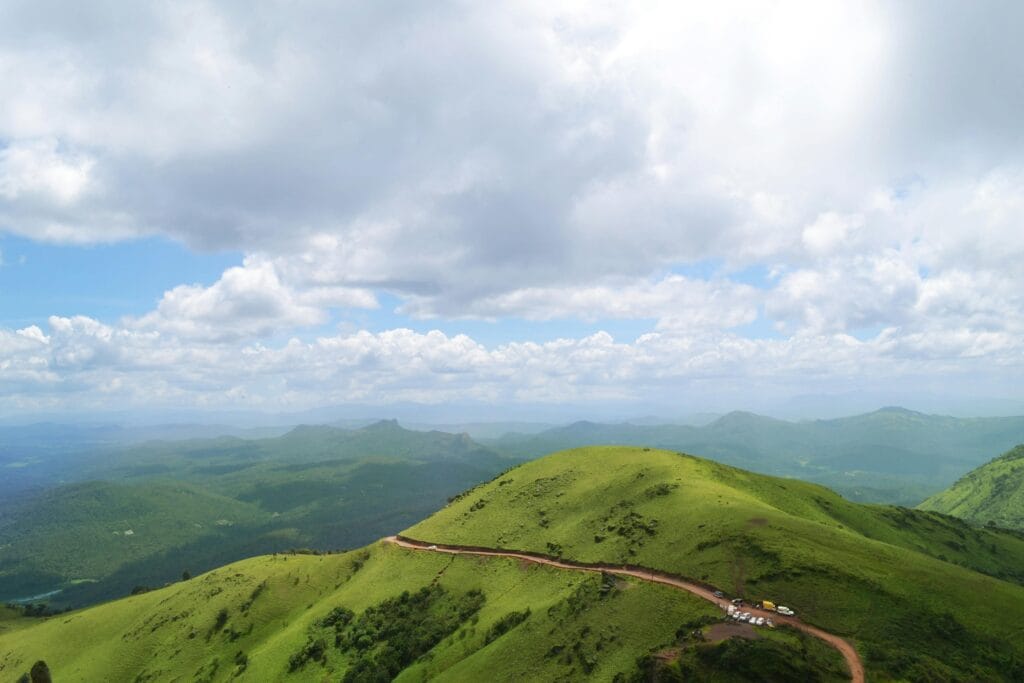
Coorg sits at 1,000–1,700 metres in Karnataka’s Western Ghats and stays at 15°C–22°C even through May and June. The region is famous for its coffee plantations, waterfalls, and the warm hospitality of the Kodava people.
Abbey Falls, Raja’s Seat viewpoint, Dubare Elephant Camp, and the coffee estate homestays are all must-dos. Coorg is also one of the easiest summer escapes from Mumbai or Bengaluru — well connected by road, rail, and air via Mangalore or Mysore.
Best for: Coffee lovers, waterfalls, plantation stays, families
Summer temperature: 15°C–22°C
Nearest airport: Mangalore (136 km) or Mysore (120 km)
Skip the Mumbai Traffic! Get Visa Assistance at Your Doorstep
No need to visit our office. Our specialists will visit your home or office for document verification and processing.
*Additional service charges applicable based on your location.
Summer Temperature Comparison Table
Destination | State | Altitude (m) | Summer Temp (Day) | Best Month | Difficulty |
Dras | Ladakh | 3,280 | 5°C–15°C | June–July | Moderate |
Spiti Valley | Himachal Pradesh | 3,800+ | 8°C–18°C | June–Sept | Moderate–High |
Leh-Ladakh | J&K | 3,524 | 10°C–20°C | May–Sept | Moderate |
Auli | Uttarakhand | 2,500 | 10°C–20°C | May–July | Easy–Moderate |
Chopta | Uttarakhand | 2,680 | 10°C–18°C | May–June | Easy |
Tawang | Arunachal Pradesh | 3,048 | 12°C–18°C | May–Oct | Moderate |
Kasol | Himachal Pradesh | 1,580 | 14°C–22°C | May–July | Easy |
Darjeeling | West Bengal | 2,042 | 15°C–22°C | May–July | Easy |
Coorg | Karnataka | 1,000–1,700 | 15°C–22°C | Apr–June | Easy |
Munnar | Kerala | 1,600 | 15°C–25°C | Apr–June | Easy |
What to Pack for a Cold Summer Destination in India
Heading to a high-altitude cold destination in Indian summer requires a different packing approach than a typical hill station trip. Here’s what you should carry:
- Warm layers: 1–2 light fleece jackets and a windproof outer shell — evenings get cold fast above 2,000 m
- Thermals: Essential for Leh, Spiti, Dras, and Tawang, where nights drop to single digits
- Sunscreen SPF 50+: High altitude UV is intense — sunburn happens faster than you’d expect
- Sunglasses: UV-rated, especially for snow-facing destinations like Auli and Spiti
- Comfortable trekking shoes: Waterproof soles help on mountain trails and wet meadows
- Reusable water bottle: Stay hydrated — altitude causes dehydration more rapidly
- AMS medication: Consult your doctor before visiting Leh, Spiti, or Dras. Diamox (acetazolamide) is commonly recommended for altitude sickness prevention
- Rain poncho or compact umbrella: Monsoon arrives in South India by June; Kasol and Darjeeling get afternoon showers from July
- Power bank: Charging infrastructure is limited in offbeat destinations like Chopta, Spiti, and Tawang
Beat the Summer Heat with Siddhivinayak Tours and Travels
Tired of sweating through another summer? Siddhivinayak Tours and Travels curates customised packages to every cold summer destination listed above — from a quick Coorg weekend getaway to a full 10-day Leh-Ladakh road trip. We handle flights, hotels, permits, and local transport so you can simply enjoy the cool mountain air.
Ready to escape the heat? Contact Siddhivinayak Tours and Travels for a personalised summer holiday package — tailored to your budget, dates, and travel style. Book early for the best deals on May–July departures.