
Indian passport holders are not eligible for the UK ETA and must still apply for a full UK Standard Visitor Visa — the only thing that changed on February 25, 2026 is that this visa is now issued digitally as an eVisa instead of a sticker in your passport. If you’ve seen headlines about the UK’s “new ETA system” and wondered whether that replaces your visa requirement, it doesn’t — and this confusion is causing real stress for travelers who assume otherwise.
Quick Facts Snapshot
- Indian citizens are not eligible for the UK Electronic Travel Authorisation (ETA) and must continue applying for a Standard Visitor Visa.
- The UK ETA applies only to visa-exempt nationalities — travelers from countries like the US, EU states, Australia, and Canada who previously needed no visa at all.
- From February 25, 2026, the UK stopped issuing physical visa stickers and Biometric Residence Permits, replacing them with a digital eVisa linked to your passport via a UKVI account.
- The Standard Visitor Visa fee is £135 as of 2026, with Priority service (+£500, 5 working days) and Super Priority (+£1,000, next working day) available.
- India is on the Direct Airside Transit Visa (DATV) list, meaning even passengers who never leave the airside transit area during a UK layover need a DATV (£41.50).
- Airlines now check eVisa status digitally before boarding, so a technical issue with your online UKVI account can cause boarding denial even with an approved visa.
Table of Content
- The Core Confusion: ETA vs eVisa
- What Actually Changed on February 25, 2026
- Do You Still Need a Visa if You’re Just Transiting?
- How Much Does the UK Visa Cost Now?
- What Should Mumbai Applicants Do Differently?
- FAQs
The Core Confusion: ETA vs eVisa
ETA and eVisa are two completely different things that happen to have launched around the same time in the UK, which is exactly why so many Indian travelers are confused about which one applies to them. The short answer: ETA doesn’t apply to you at all; eVisa is simply the new digital format of the visa you already needed.
What Actually Changed on February 25, 2026
From February 25, 2026, the UK Home Office stopped issuing physical visa stickers and Biometric Residence Permits for new applicants, replacing them with a purely digital eVisa linked to your passport and stored in a UKVI online account. This is a format change, not a requirements change — the eligibility criteria, financial proof standards, and application process through the official UK government portal remain the same as before.
What’s genuinely different in practice:
- No physical sticker or card — your visa exists only as a digital record
- Airlines verify your status digitally before allowing you to board, rather than checking a physical document
- You keep your passport during processing in most cases, since there’s no sticker to affix
- Long-term visas (2, 5, or 10-year) now show their full validity within your UKVI account rather than as a stamped date range
Pro Tip: Since your eVisa lives in an online UKVI account rather than your physical passport, make sure you can access that account reliably before travel — including having the correct login details saved somewhere you can reach even if your phone is unavailable at the airport.
Do You Still Need a UK Visa if You’re Just Transiting?
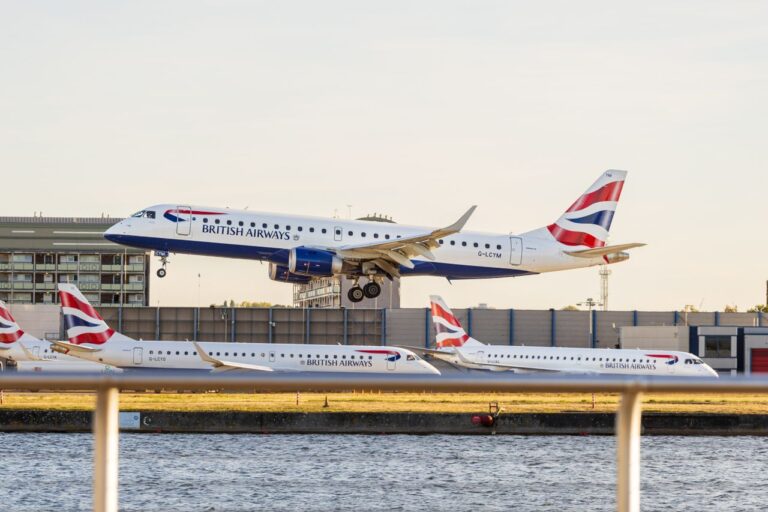
Yes — India is on the UK’s Direct Airside Transit Visa (DATV) list, which means even Indian travelers who never leave the airside transit area during a UK layover still need a DATV, currently priced at £41.50. This surprises many travelers who assume a same-airport connection with no immigration crossing wouldn’t require any UK-specific paperwork.
This is worth checking carefully if your international routing includes a UK layover — Heathrow and other UK hubs are common connection points for Mumbai travelers heading to North America, and the DATV requirement applies regardless of how brief the layover is.
How Much Does the UK Visa Cost Now?
The Standard Visitor Visa costs £135 (approx ₹15,000) for Indian applicants in 2026, with optional Priority service available for an additional £500 (5 working day processing) and Super Priority for an additional £1,000 (next working day processing). These service tiers apply on top of the base visa fee, not instead of it.
Indians achieved roughly a 91% approval rate for UK Standard Visitor visas in the most recent full-year Home Office data available, with over 514,000 visas issued from more than 564,000 applications — a helpful data point if you’re weighing how much to invest in expedited processing versus standard timelines.
What Should Mumbai Applicants Do Differently?
Nothing about your actual eligibility or document requirements has changed — apply through the same gov.uk portal, complete biometrics at a VFS Global centre, and expect the same financial proof and travel-purpose standards as before, just with a digital outcome instead of a sticker. The main behavioral change worth adopting is treating your UKVI online account as seriously as you’d treat a physical passport — since it’s now the sole proof of your travel permission that airlines and border officials check.
Pro Tip: Before booking any UK layover — even a same-terminal connection — confirm whether your specific routing requires a DATV. This is one of the most commonly missed requirements for Mumbai travelers connecting through London to North America or elsewhere.
Applying for Your UK Visa from Mumbai? Here’s How We Help.
Between ETA headlines and the new eVisa system, it’s easy to end up confused about what actually applies to you. Siddhivinayak Tours and Travels handles the full UK Standard Visitor Visa process — including transit routings — so you know exactly what’s required for your trip. Book your consultation at our Kandivali West office today
Skip the Mumbai Traffic! Get Visa Assistance at Your Doorstep
No need to visit our office. Our specialists will visit your home or office for document verification and processing.
*Additional service charges applicable based on your location.
Do Indian citizens need the UK ETA in 2026?
No. The UK ETA applies only to visa-exempt nationalities. Indian passport holders are not eligible for it and must continue applying for a full UK Standard Visitor Visa.
What changed for Indian UK visa applicants on February 25, 2026?
The UK stopped issuing physical visa stickers, replacing them with a digital eVisa linked to your passport via a UKVI online account. Eligibility requirements and the application process itself stayed the same.
Do I need a visa for a UK layover if I never leave the airport?
Yes, in most cases. India is on the UK’s Direct Airside Transit Visa list, so even airside-only transit requires a DATV (£41.50).
How much does a UK Standard Visitor Visa cost for Indians?
£135 for standard processing, with optional Priority service (+£500, 5 working days) or Super Priority (+£1,000, next working day).
Will I still get a physical stamp or sticker in my passport for a UK visa?
No. Since February 25, 2026, new UK visas are issued purely as digital eVisas stored in a UKVI account, with no physical sticker, stamp, or Biometric Residence Permit.
Can Indians travel to the UK without any visa if they have an ETA?
No. ETA is not a substitute for a visa and doesn’t apply to Indian nationals at all — India isn’t on the ETA-eligible countries list.
What's the UK Standard Visitor Visa approval rate for Indians?
Approximately 91% in the most recent full-year data, with over 514,000 visas issued from more than 564,000 applications, per UK Home Office Immigration Statistics.
How do I make sure my digital eVisa doesn't cause boarding issues?
Ensure your UKVI online account is accessible and your details are accurate before travel, since airlines now verify eVisa status digitally before boarding, and access issues can cause denial even with an approved visa.
Where can Kandivali-area travelers get help with UK visa applications under the new eVisa system?
Siddhivinayak Tours and Travels, based in Kandivali West, handles UK Standard Visitor Visa applications under the current eVisa system, including DATV requirements for layover routings.